If your old laptop has become slow, takes too long to start, or struggles with simple tasks like browsing and opening files, it doesn’t mean the device is useless. In most cases, the problem is not the hardware; it’s how Windows is running in the background.
The good news is that you can significantly improve your laptop’s speed without upgrading RAM, SSD, or buying a new device. You just need to optimize a few settings and remove unnecessary load from the system.
Let’s go step by step.
Reduce Startup Programs
When you turn on your laptop, many applications start running automatically. Most of them are not needed immediately, but they still consume memory and slow down boot time.
By disabling unnecessary startup apps, your laptop starts faster and feels more responsive throughout the day. This single change can make a noticeable difference, especially on older systems.
Read More: How to Turn Off Read Receipts on WhatsApp
Clean Temporary Files and System Cache
Over time, Windows stores temporary files, update leftovers, and cache data that are no longer useful. These files take up storage space and can slow down system operations.
Using Windows’ built-in cleanup tools helps remove junk safely without harming your system. After cleaning, the laptop often feels lighter and smoother.

Turn Off Unnecessary Visual Effects
Windows animations and visual effects look attractive, but they demand extra system resources. Older laptops struggle to handle these effects smoothly.
By switching to a simpler appearance, your system focuses more on performance rather than looks. The interface may feel basic, but speed and responsiveness improve instantly.
Stop Background Applications
Many apps continue running in the background even when you’re not using them. These apps silently consume RAM, CPU power, and sometimes internet data.
Closing or disabling unnecessary background applications reduces system load and improves multitasking performance. This is especially helpful for laptops with limited memory.
Optimize Your Web Browser
A slow browser can make the entire laptop feel slow. Too many extensions, heavy tabs, and accumulated cache reduce browser performance and increase system load.
Keeping your browser clean by removing unused extensions and clearing cache regularly can speed up both browsing and overall system responsiveness.
Outbound link suggestion (trusted):
Microsoft Support or Google Chrome Help page about improving browser performance.
Free Up Disk Space
When your system drive is almost full, Windows cannot operate efficiently. Free disk space is essential for smooth updates, virtual memory, and background processes.
Deleting unused software, old videos, and duplicate files helps maintain healthy performance and system stability.
Restart Your Laptop Regularly
Many users keep their laptops running for weeks without restarting. This causes memory overload and background processes to pile up.
Restarting your laptop every few days refreshes system memory and fixes minor performance issues automatically.
Conclusion
You don’t need to upgrade hardware or spend money to make your old laptop faster. Small optimizations, regular maintenance, and smart usage habits can dramatically improve performance.
These methods are safe, free, and suitable for beginners. With just a little effort, your old laptop can feel smooth, responsive, and reliable again.
Author

netpub60@gmail.com
Related Posts
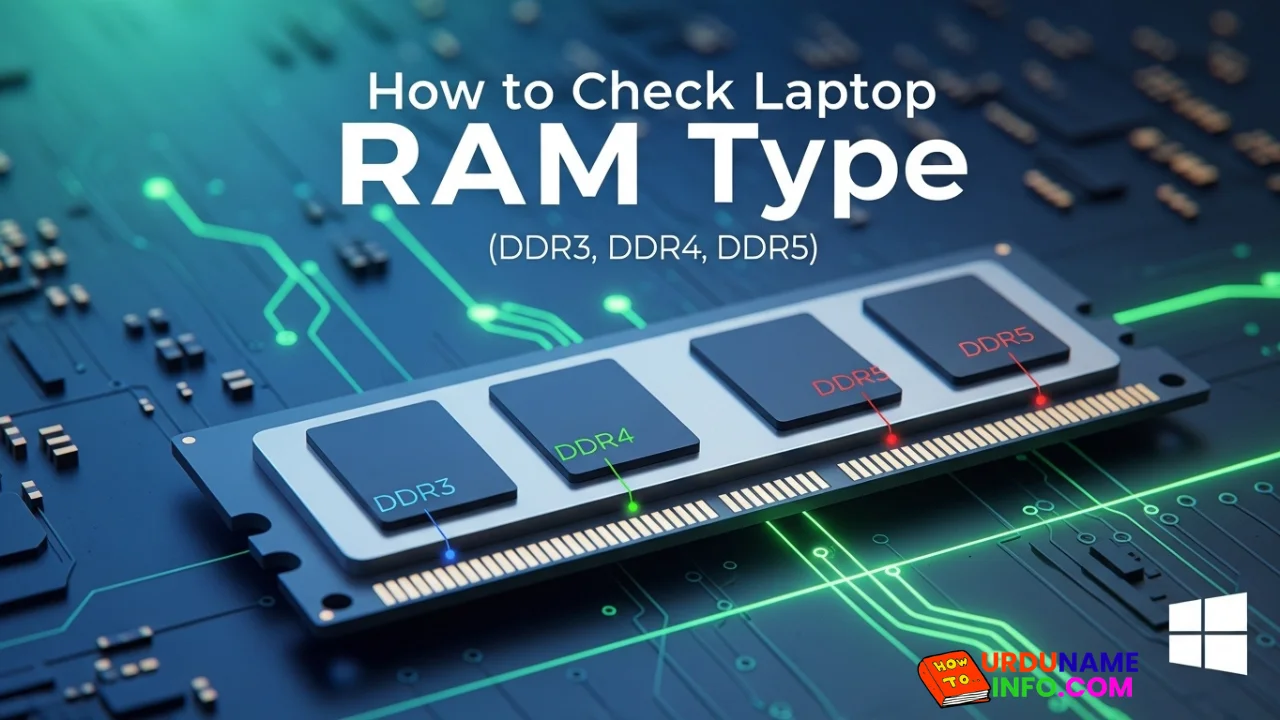
How to Check Laptop RAM Type in Windows (DDR3, DDR4, DDR5)
If you are planning to upgrade your laptop’s memory, the first thing you need to know is your RAM type. Buying the...
Read out all
How to Fix Laptop Screen Flickering in Windows
Laptop screen flickering is a common issue in Windows 10 and Windows 11. The screen may blink, flash, or refresh continuously, making...
Read out all
How to Check Internet Speed on Laptop Without App
If your internet feels slow while browsing, streaming, or downloading files, the first thing you should do is check your internet speed....
Read out all
Common Laptop Mistakes That Reduce Performance
Many people think a slow laptop means old hardware or the need for a new device. In reality, laptops often slow down...
Read out all
How to Fix USB Device Not Recognized Error
Seeing the message “USB Device Not Recognized” can be annoying, especially when you urgently need to access a flash drive, keyboard, mouse,...
Read out all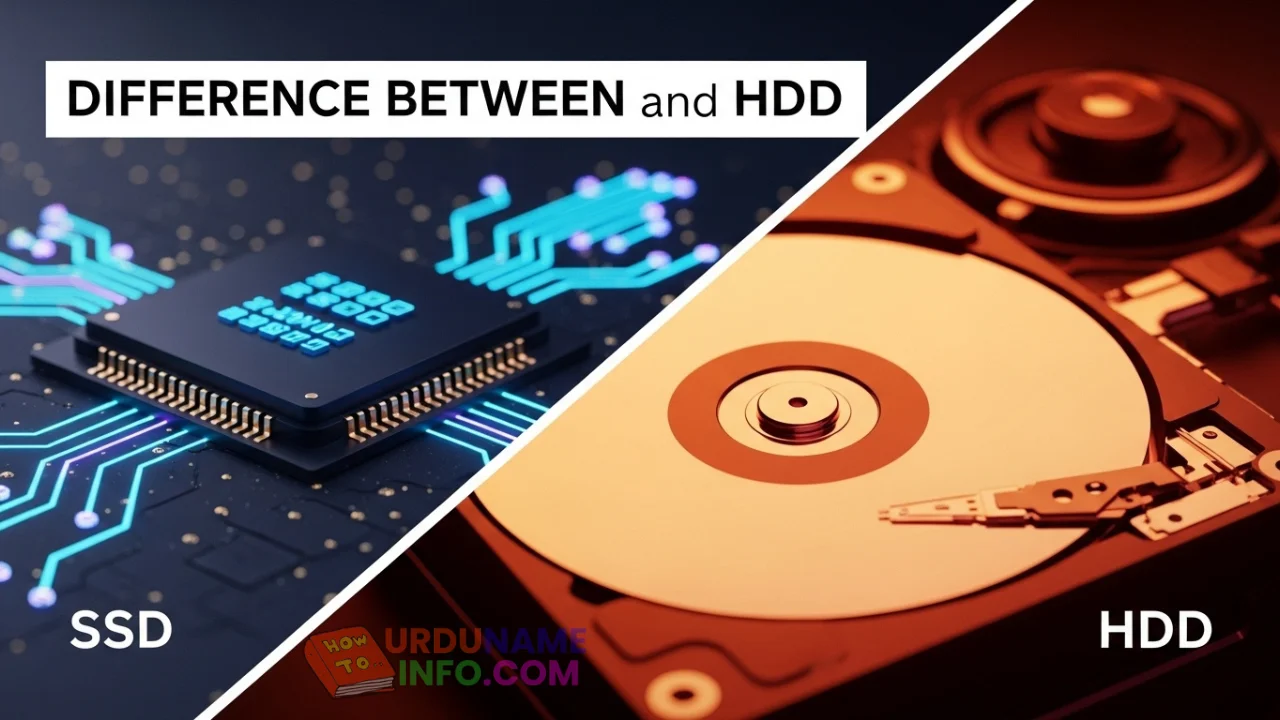
Difference Between SSD and HDD for Beginners
If you are new to computers, terms like SSD and HDD can sound confusing. Many people hear that SSD is “faster” and...
Read out all