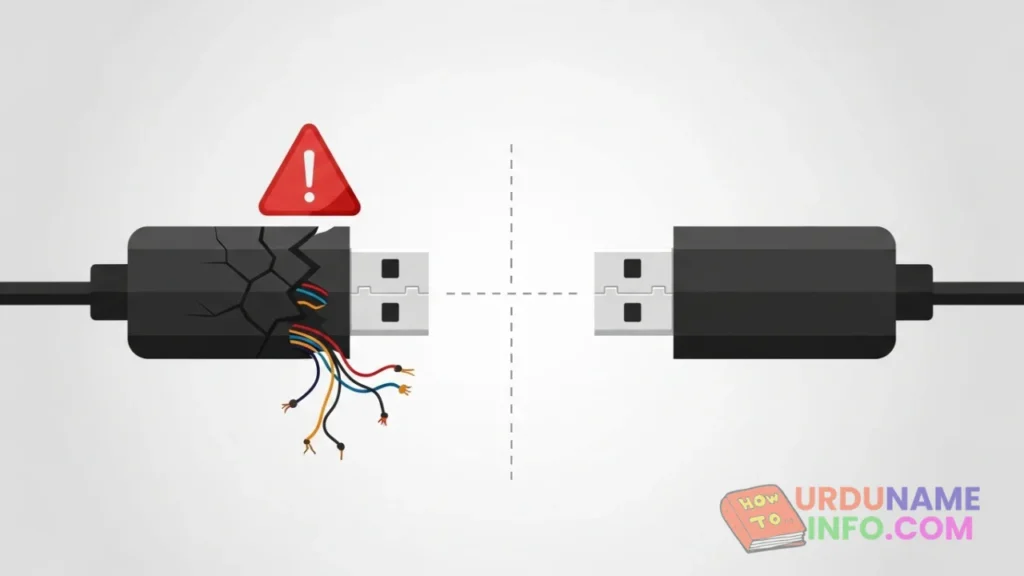
Seeing the message “USB Device Not Recognized” can be annoying, especially when you urgently need to access a flash drive, keyboard, mouse, or external hard disk. This error usually appears when Windows fails to communicate properly with the USB device.
The good news is that in most cases, this problem is software-related and can be fixed easily without replacing hardware.
Let’s go through the most effective solutions step by step.
Check the USB Port and Device First
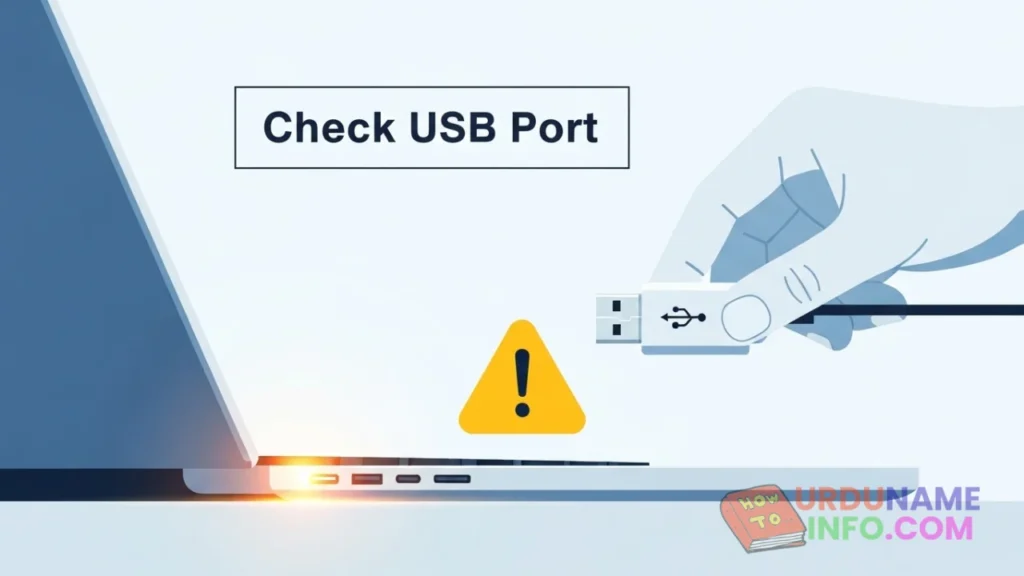
Before changing any settings, it’s important to confirm whether the problem is with the USB device or the port itself. Sometimes a loose connection or dust inside the port causes the error.
Try plugging the USB device into another USB port on the same laptop. If possible, test the device on another computer as well. If it works there, the issue is likely with Windows settings on your laptop.
Restart Your Laptop
A simple restart can fix many USB-related issues. Temporary glitches in Windows can prevent USB drivers from working correctly.
Restarting clears system memory and reloads drivers fresh, which often resolves the “USB device not recognized” error instantly.
Update or Reinstall USB Drivers
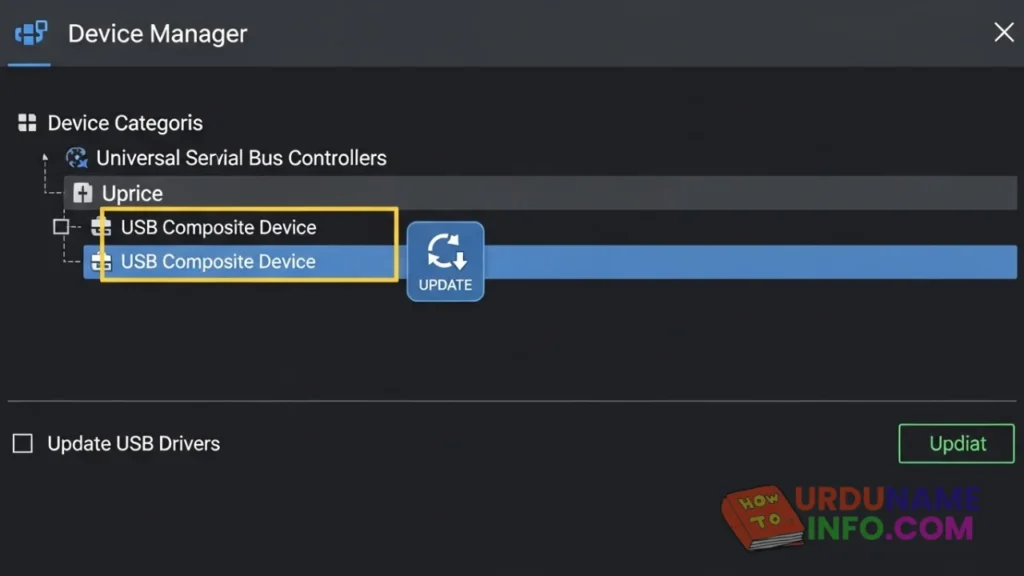
USB drivers help Windows communicate with connected devices. If drivers are outdated or corrupted, Windows may fail to recognize the USB device.
Open Device Manager and look for any USB device with a warning symbol. Updating or reinstalling the driver usually fixes the issue.
This step is safe and recommended for beginners.
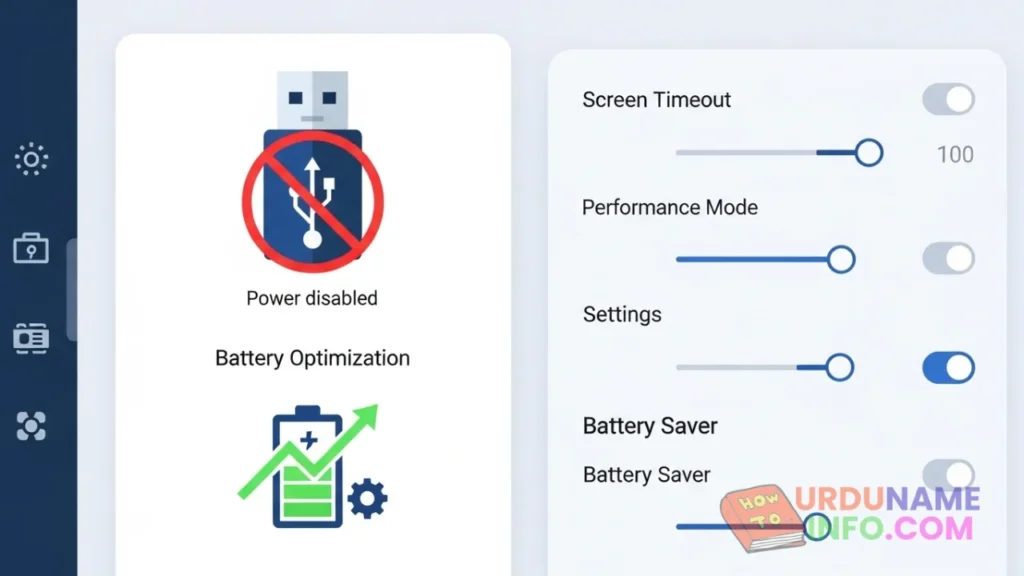
Disable USB Power Saving Settings
Windows sometimes turns off USB ports to save power, especially on laptops. This can cause USB devices to disconnect or stop working properly.
Disabling USB power saving ensures a stable connection and prevents random USB errors.
How to Speed Up Old Laptop Without Upgrading Hardware
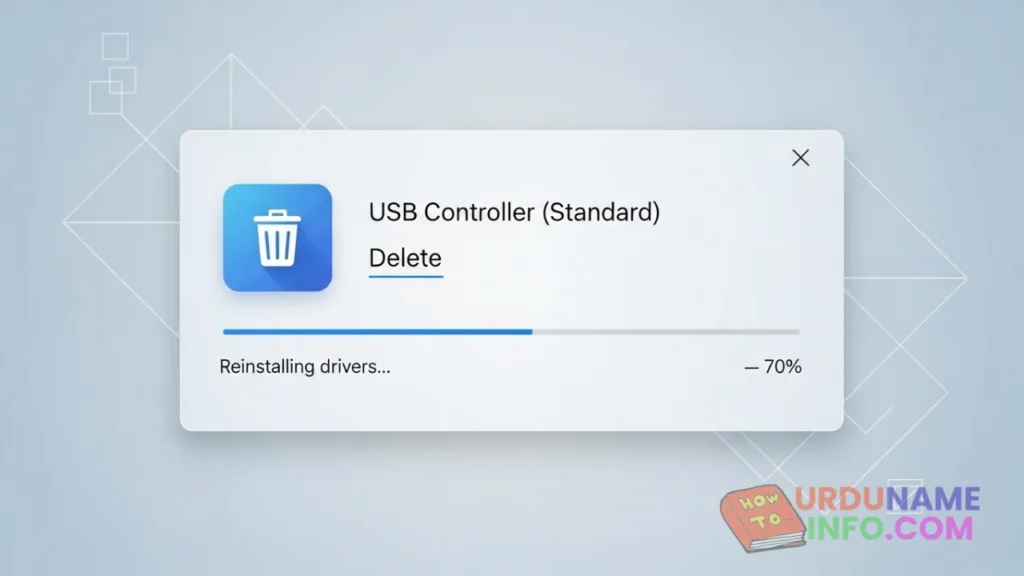
Remove USB Controllers and Reconnect
If Windows has stored incorrect USB configuration data, removing USB controllers forces the system to reinstall them automatically.
After restarting, Windows re-detects connected USB devices and fixes configuration errors.
Check for Windows Updates
Sometimes the USB error is caused by a bug in the current Windows version. Microsoft regularly releases fixes through updates.
Installing the latest updates can automatically resolve USB compatibility issues.
Clean Temporary Files
System junk and corrupted cache files can interfere with hardware detection. Cleaning temporary files helps Windows run smoothly and detect devices properly.
How to Clear Cache in Windows 10 & 11
When the Problem Might Be Hardware
If none of the solutions work and the USB device is not recognized on any computer, the device itself may be damaged.
In such cases, replacing the USB cable or device is the only option.
Conclusion
The “USB device not recognized” error is common and usually easy to fix. In most cases, restarting, updating drivers, or adjusting power settings solves the problem without professional help.
By following these steps calmly and in order, you can restore USB functionality and avoid unnecessary repairs.
Author

netpub60@gmail.com
Related Posts
How to Check Laptop RAM Type in Windows (DDR3, DDR4, DDR5)
If you are planning to upgrade your laptop’s memory, the first thing you need to know is your RAM type. Buying the...
Read out all
How to Fix Laptop Screen Flickering in Windows
Laptop screen flickering is a common issue in Windows 10 and Windows 11. The screen may blink, flash, or refresh continuously, making...
Read out all
How to Check Internet Speed on Laptop Without App
If your internet feels slow while browsing, streaming, or downloading files, the first thing you should do is check your internet speed....
Read out all
Common Laptop Mistakes That Reduce Performance
Many people think a slow laptop means old hardware or the need for a new device. In reality, laptops often slow down...
Read out all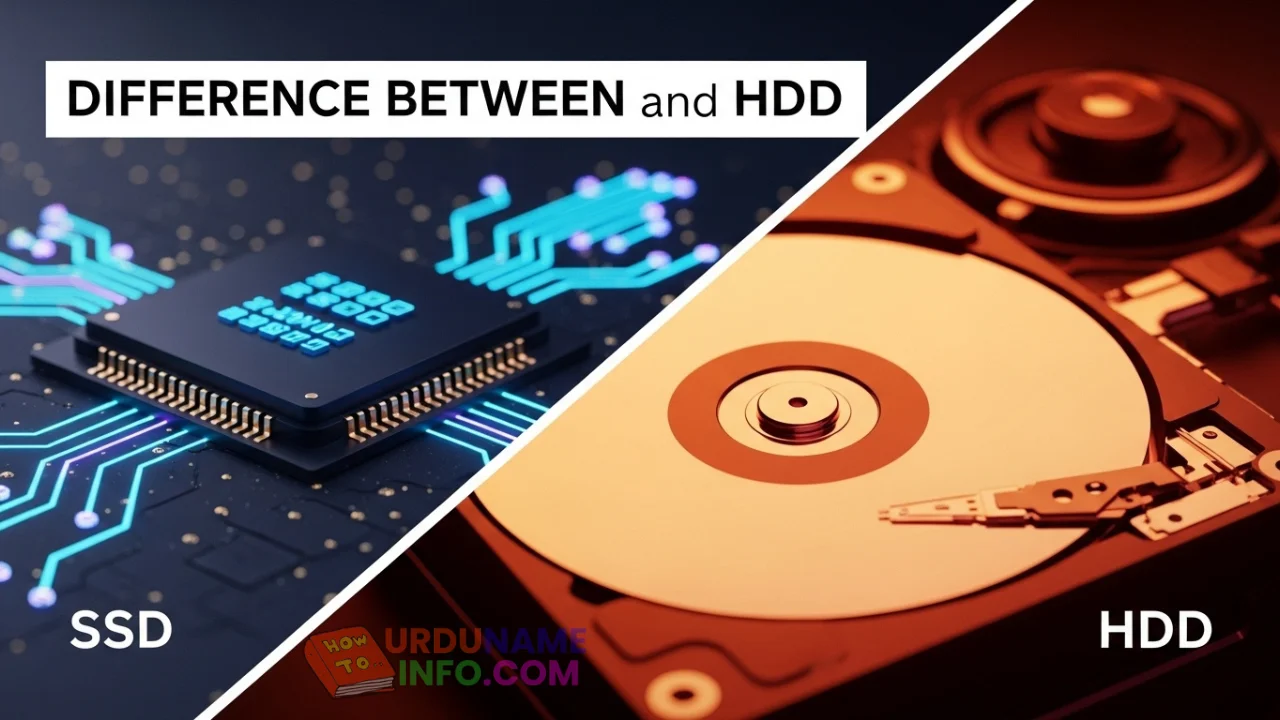
Difference Between SSD and HDD for Beginners
If you are new to computers, terms like SSD and HDD can sound confusing. Many people hear that SSD is “faster” and...
Read out all
Why Laptop Is Slow After Windows Update
Many users notice that their laptop becomes slow right after installing a Windows update. Apps take longer to open, startup feels delayed,...
Read out all