How to Clear Cache in Windows 10 & 11 (Step-by-Step Guide): Clearing the cache on your Windows computer is one of the easiest ways to boost performance, free up space, and fix system issues. Over time, Windows stores temporary files, logs, and cached data that can slow your system down. In this guide, we will show you how to clear the cache in Windows 10 & 11 step by step.
What Is Cache in Windows?
Cache refers to temporary files that Windows and apps create to speed up processes. This includes:
- Browser cache
- System temporary files
- Windows update cache
- Log files
- Thumbnail cache
While cache helps apps and Windows run faster, too much cached data can slow down your PC or cause errors.
Why You Should Clear Cache
- Improve system performance
- Free up storage space
- Fix app or system errors
- Remove corrupted files
- Speed up Windows startup
Read More: How to Secure a Google Account with 2-Step Verification (Complete Guide)
How to Clear Cache in Windows 10 & 11
Here are 5 easy methods to clear the cache on your PC:
Method 1: Clear Temporary Files via Settings
- Press Windows + I to open Settings
- Go to System → Storage
- Click Temporary files
- Select files you want to delete:
- Temporary Windows files
- Recycle Bin
- Thumbnails
- Click Remove files
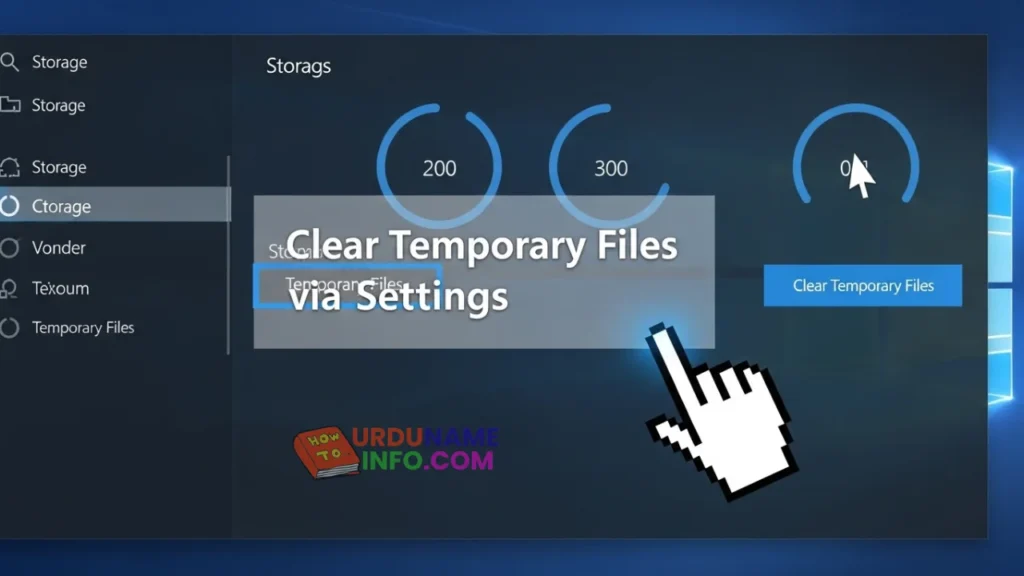
Tip: Do not delete important files accidentally. Only choose temporary files.
Method 2: Clear Cache Using Disk Cleanup
- Press Windows + S, type Disk Cleanup, and open it
- Select your system drive (usually C:)
- Check options like:
- Temporary files
- Thumbnails
- Delivery Optimization Files
- Click OK → Delete Files
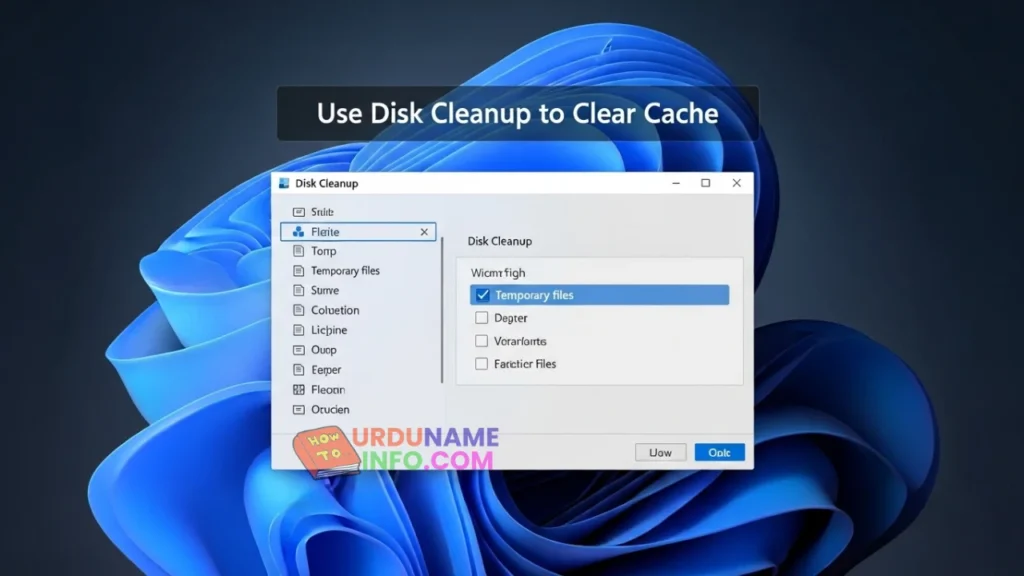
Note: This clears system and app caches safely.
Method 3: Clear Browser Cache
For Edge / Chrome / Firefox:
- Open the browser
- Press Ctrl + Shift + Delete
- Select Cached images and files
- Click Clear Data / Clear Now
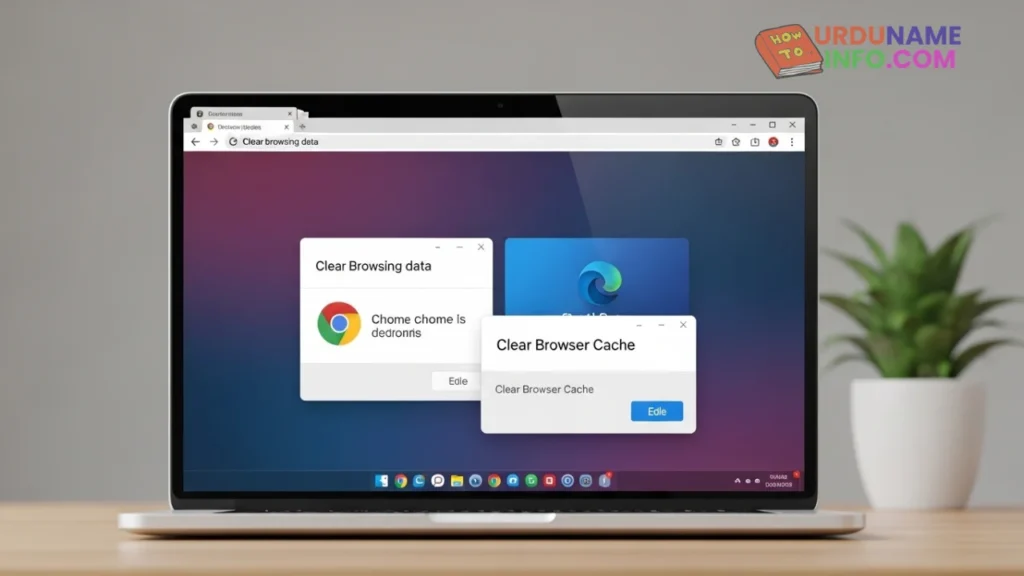
Tip: Clearing the browser cache helps fix loading issues on websites.
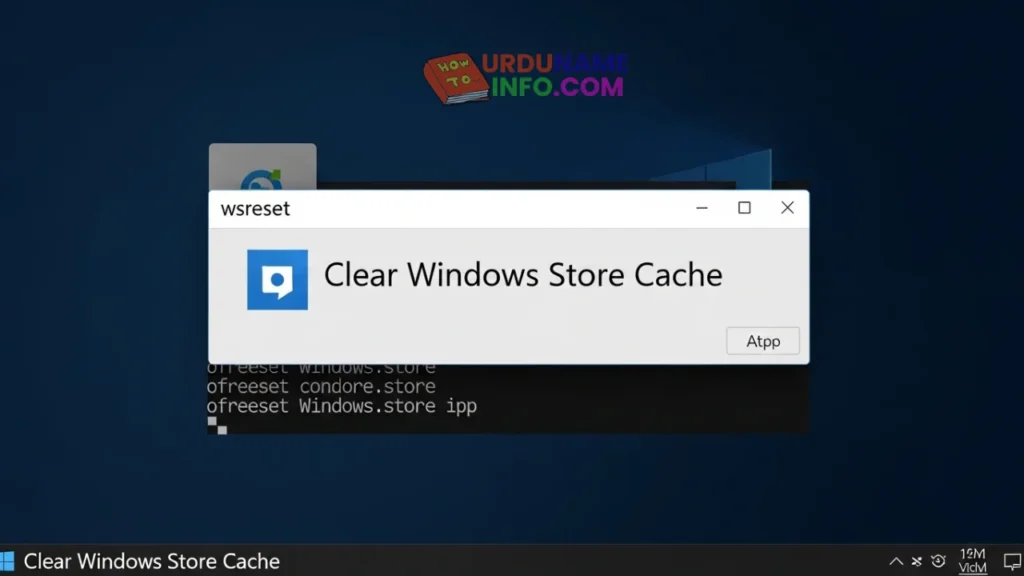
Method 4: Clear Windows Store Cache
- Press Windows + R
- Type wsreset.exe and press Enter
- A command prompt window will open and reset the Microsoft Store cache
- The store will open automatically after a few seconds
Method 5: Clear DNS Cache
- Press Windows + R, type cmd, and press Enter
- In Command Prompt, type:
ipconfig /flushdns - Press Enter
- DNS cache is now cleared
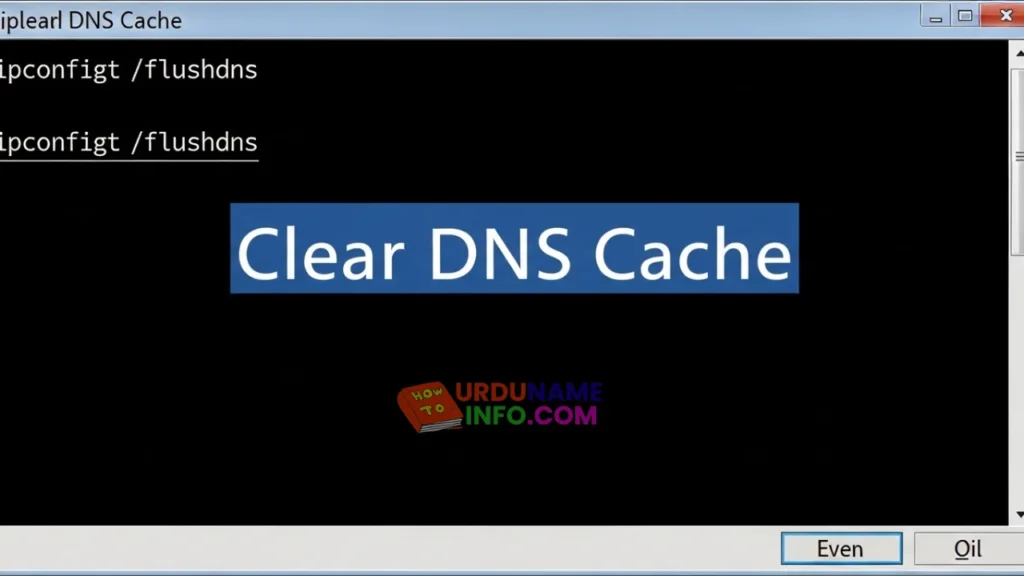
Benefit: Fixes network and connectivity issues caused by cached DNS entries.
Frequently Asked Questions (FAQs)
Q1: How often should I clear the cache in Windows?
A: Every 1–2 months is enough for normal users.
Q2: Will clearing the cache delete my files?
A: No, only temporary and cached files are deleted.
Q3: Does clearing the cache improve PC speed?
A: Yes, it frees up space and can fix lag caused by corrupted cache.
Q4: Can I automate cache clearing in Windows 11?
A: Yes, enable Storage Sense to automatically clean temporary files.
Q5: Is it safe to clear the cache using Disk Cleanup?
A: Yes, it only removes unnecessary temporary files, not personal files.
Conclusion
Clearing the cache in Windows 10 & 11 is simple and helps your PC run more smoothly. Using Settings, Disk Cleanup, Browser cache, Windows Store, and DNS flush, you can remove unwanted files safely. Follow these steps regularly to keep your Windows fast and healthy.
Author

netpub60@gmail.com
Related Posts
How to Check Laptop RAM Type in Windows (DDR3, DDR4, DDR5)
If you are planning to upgrade your laptop’s memory, the first thing you need to know is your RAM type. Buying the...
Read out all
How to Fix Laptop Screen Flickering in Windows
Laptop screen flickering is a common issue in Windows 10 and Windows 11. The screen may blink, flash, or refresh continuously, making...
Read out all
How to Check Internet Speed on Laptop Without App
If your internet feels slow while browsing, streaming, or downloading files, the first thing you should do is check your internet speed....
Read out all
Common Laptop Mistakes That Reduce Performance
Many people think a slow laptop means old hardware or the need for a new device. In reality, laptops often slow down...
Read out all
How to Fix USB Device Not Recognized Error
Seeing the message “USB Device Not Recognized” can be annoying, especially when you urgently need to access a flash drive, keyboard, mouse,...
Read out all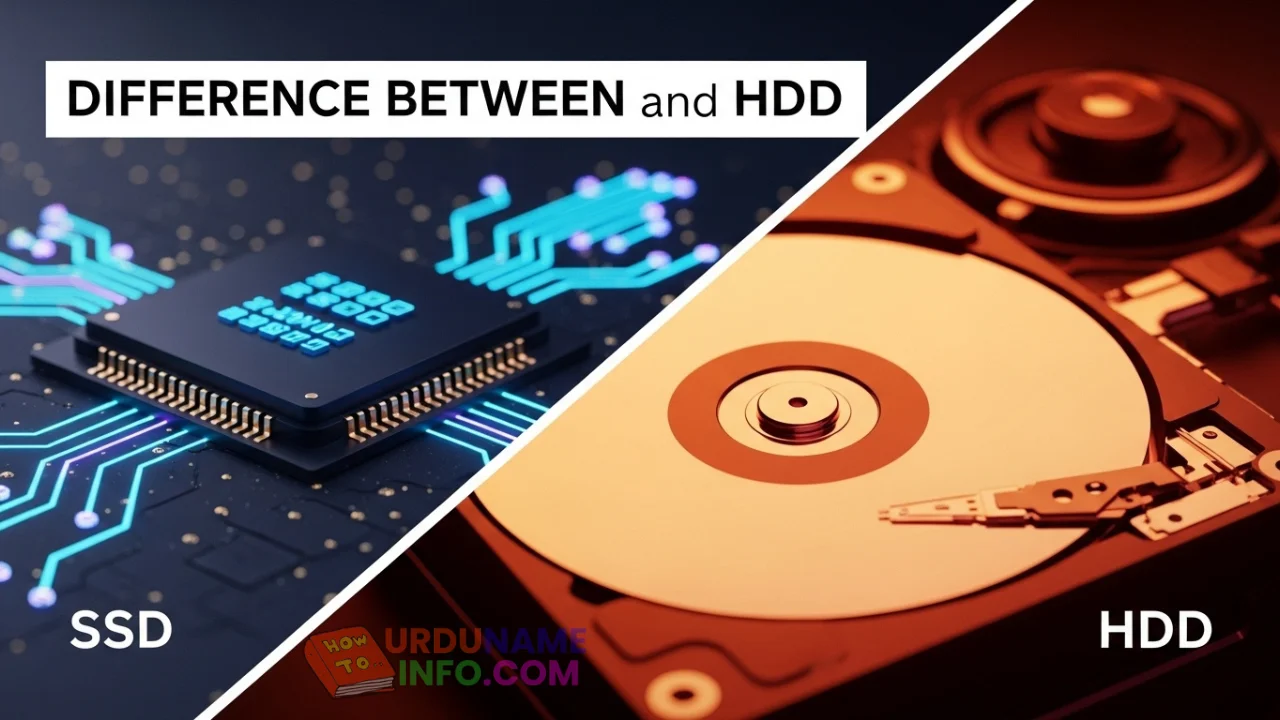
Difference Between SSD and HDD for Beginners
If you are new to computers, terms like SSD and HDD can sound confusing. Many people hear that SSD is “faster” and...
Read out all